
How to Check for Insulin Resistance at Home: 10 Simple Self-Assessment Signs and Symptoms
Insulin resistance is a common condition where your body's cells don't respond effectively to insulin, leading to higher blood sugar levels over time. This can contribute to weight gain (particularly abdominal), fatigue, and an elevated risk of prediabetes, type 2 diabetes, cardiovascular disease, and other metabolic issues that can shorten healthspan.
As a GP with a focus on longevity, I view insulin resistance as a crucial early marker—often reversible through targeted lifestyle interventions like improved diet, exercise, sleep, and stress management.
Definitive diagnosis requires clinical blood tests (e.g., fasting insulin, glucose, HbA1c, or HOMA-IR) performed by a healthcare professional. However, you can perform a preliminary self-assessment at home by observing common signs and measurements. These at-home checks are not diagnostic but can help identify potential red flags to discuss with your doctor.
Here are 10 simple at-home checks to evaluate your risk of insulin resistance:
What You’ll Need
A soft measuring tape
Bathroom scales
A height measure (or known height)
A mirror or phone camera for skin inspection
A home blood pressure monitor (optional but recommended)
A home blood glucose monitor (optional, available at pharmacies)
Recent blood test results (if available)
A notebook for recordings
10 At-Home Checks
Check 1: Measure Your Waist Circumference Stand relaxed and measure around your abdomen at the level of your belly button (exhale normally, no sucking in).
Men: >102 cm (>40 inches) indicates increased risk.
Women: >88 cm (>35 inches) indicates increased risk. Visceral fat around the organs is a strong driver of insulin resistance.
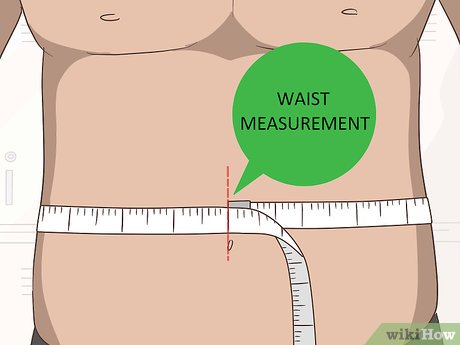
How to Measure Your Waist: 8 Steps (with Pictures) - wikiHow
Check 2: Inspect Your Skin for Acanthosis Nigricans Use good lighting to examine the neck (back and sides), armpits, groin, elbows, or knuckles.
Look for dark, velvety, thickened patches that don't wash off. This hyperpigmentation is a hallmark sign of elevated insulin levels.

Acanthosis Nigricans Condition, Treatments and Pictures for Adults ...
Check 3: Check for Skin Tags Examine friction areas like the neck, armpits, groin, or under the breasts.
Multiple small, soft, fleshy protrusions are more common in insulin resistance due to insulin's growth-promoting effects.

Infographic of skin tag illustration. Skin tag is small excess growth
Check 4: Weigh Yourself and Calculate BMI Step on scales (ideally in the morning, after fasting). Note your weight in kg (or convert lbs to kg: divide by 2.2). Then calculate BMI: weight (kg) / [height (m)]².
BMI ≥25 (overweight) or ≥30 (obese) raises risk, especially with central fat distribution.

Check 5: Check Your Blood Pressure Use a validated home monitor on your upper arm, seated and relaxed. Take 2–3 readings over a few days.
Consistent readings ≥130/85 mmHg suggest hypertension, which often coexists with insulin resistance as part of metabolic syndrome.

Check 6: Monitor Fasting Blood Glucose (If You Have a Meter) Test first thing in the morning after ≥8 hours fasting. Repeat over several days for trends.
≥5.6 mmol/L (≥100 mg/dL) or especially ≥6.1 mmol/L (≥110 mg/dL) flags potential impaired fasting glucose linked to resistance.

Check 7: Assess Your Energy and Hunger Patterns Reflect honestly on recent weeks:
Persistent post-meal fatigue, intense carb cravings, frequent hunger, or afternoon brain fog? These symptoms often arise from blood sugar instability caused by reduced insulin sensitivity.

10 Signs of an Unhealthy Gut You'd Never Expect
Check 8: Review Family History and Personal Risk Factors Consider:
Relatives with type 2 diabetes, PCOS, or obesity?
Your own history of gestational diabetes, PCOS, sedentary lifestyle, or high-processed-carb diet? Genetic and lifestyle factors strongly predispose to insulin resistance.
Check 9: Calculate Triglyceride-to-HDL Ratio (If You Have Recent Bloods) From fasting lipid profile: Divide triglycerides (mmol/L) by HDL cholesterol (mmol/L).
Ratio >2 (or >3 in some references) is associated with higher insulin resistance risk.

The Triglyceride/HDL Cholesterol Ratio
Analysing Your Results
Tally positive flags:
0–2: Lower concern—keep optimising habits for longevity.
3–5: Moderate risk—consider lifestyle adjustments and monitoring.
6+: Higher likelihood; prioritise a GP visit for confirmatory tests.
Symptoms amplify the significance of any positive checks.
Tips for Success
Perform measurements consistently (same time, conditions).
Track changes monthly to monitor progress.
Early lifestyle changes (e.g., resistance training, low-glycaemic foods, intermittent fasting where appropriate) can dramatically improve insulin sensitivity and extend healthspan.
Important Disclaimer: These self-assessments are educational only and not a replacement for professional medical evaluation. Insulin resistance can develop silently and impact long-term health. If multiple signs apply or you have concerns, consult your doctor for accurate testing and tailored advice.
Empower yourself with awareness—metabolic health is a cornerstone of longevity! Share your thoughts below or book a consultation if you'd like personalised guidance.


Comments